
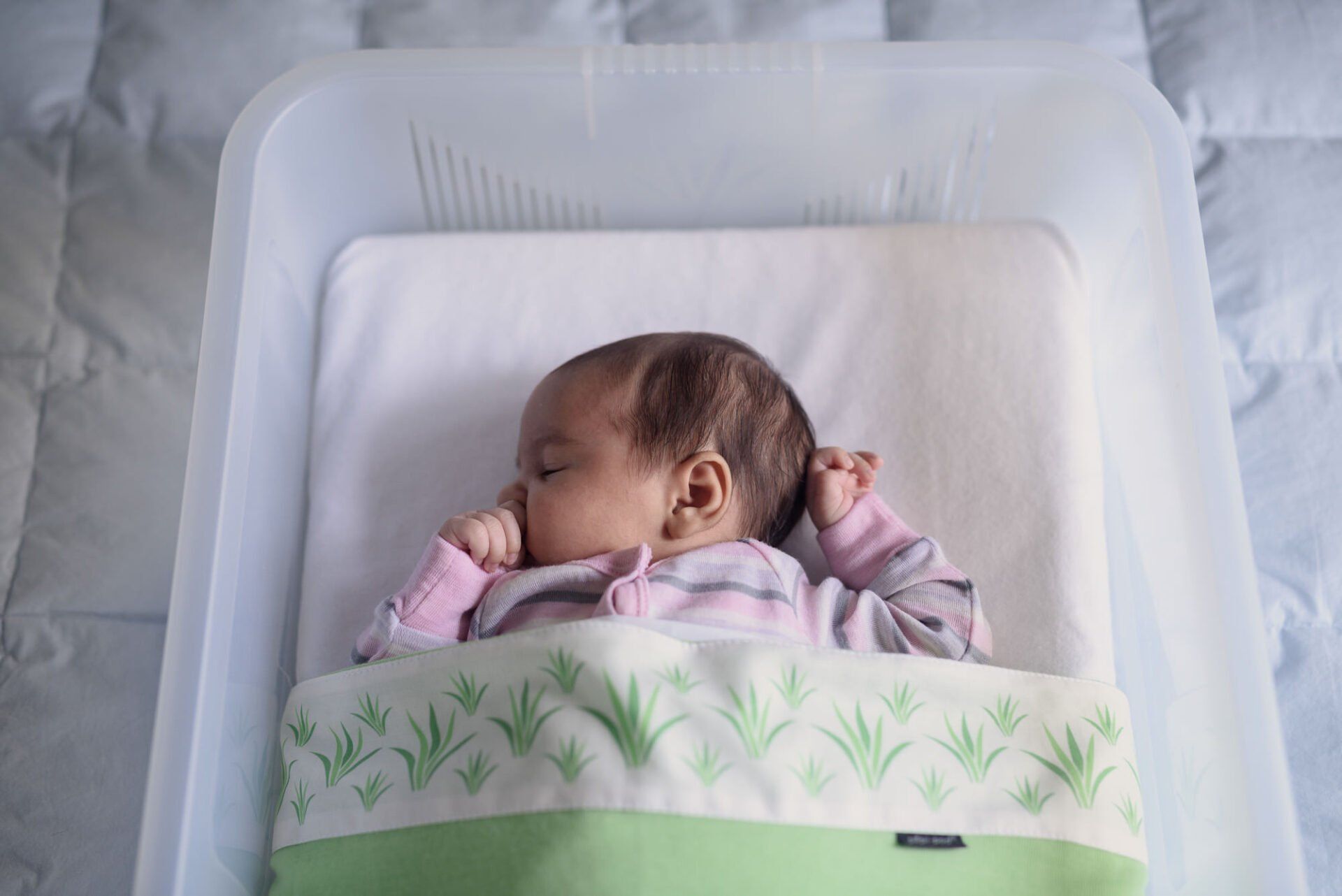
Baby sleeping in a
Pēpi-Pod® sleep space
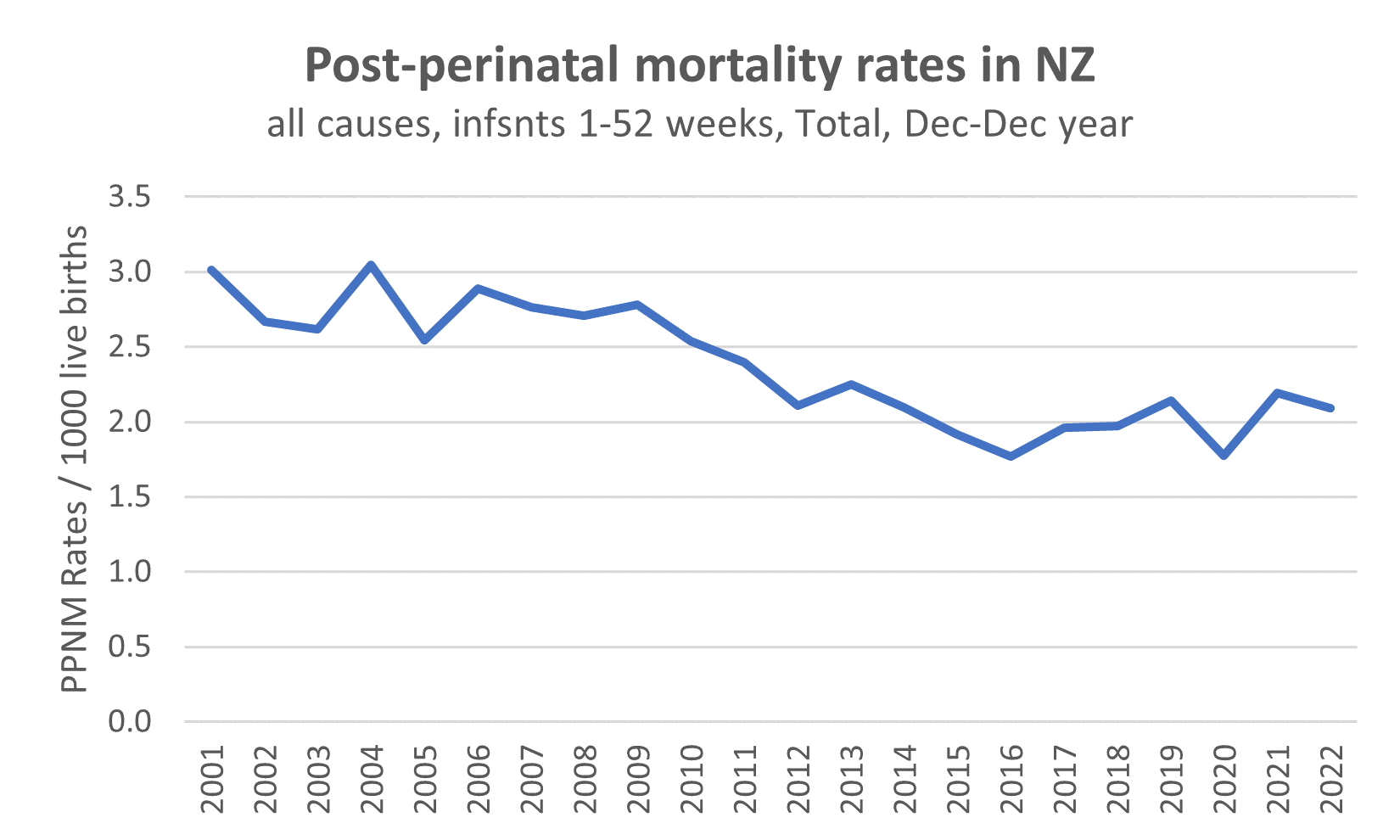
Data source: Statistics NZ 2023
(customised report)
International Pēpi-Pod Report
Queensland Paediatric Quality Council
Programme Replication Guide
A guidelines report (Sep 2022)
Are you from outside New Zealand?
If yes, then haere mai and welcome. This page is for you. We have listed below some of the questions we get asked when people enquire about the Pēpi-Pod® Programme from other countries. Please do contact us if you have other questions or want to arrange a time to discuss the programme further.
I am looking for the Australia page
Then here is the link.
Can I buy a single Pēpi-Pod® sleep space for my baby?
No. We are not set up for retail. We supply only as a public health service outside of New Zealand.
We encourage you to look at similar products available in your country and to this web page for information about safe sleep recommendations. Our Covid page has a YouTube video of setting up safe sleep with what you may have .
Can I get a demonstration Pēpi-Pod® sleep space for our health service?
The Pēpi-Pod® sleep space is embedded into a comprehensive public health programme. It is not a stand alone product, nor considered an item of baby furniture. To save you the cost of shipping a demo pod, you can get a good look at its features on the New Pod page of our website, along with an understanding for why it has been designed as it has.
We are reluctant to supply 'demo' pods in isolation of an understanding of the whole programme. We believe that assessment needs to be of the product within the programme, as it was designed. While some local adaptation is likely and expected when the programme is implemented in a new location, the core components of the intervention that make it work need to be upheld. If you would like to discuss things further then please do contact us. We would love to help.
What do they cost?
Pods are not supplied in isolation of the programme, nor are they supplied without a signed participation agreement. The 2026 unit cost for supply to health services in NZ, for both goods and services, is NZD130.00 + gst and $4.00 freight recovery, but this will not be the same for international orders as there is more involved.
The programme has been set up to be self-funded and sustainable so that it is not at risk from the vagaries of funding priorities. All revenue comes from sales. Some subsidised goods and services from suppliers, applicable only to NZ sales, helps keep the cost down in NZ. Currently. there is no other revenue from government or philanthropic bodies for this work.
To estimate costs for supply of the programme to other countries you would need to decide volumes, shipment methods, freight forward options et cetera, and there would be regulations and levies in your country to consider, regarding tax, customs, insurance and the like. We would welcome sales of the programme to other countries if it led to improved protection for your babies. If you would like an estimate of bulk supply please contact us to discuss further.
Are Pēpi-Pod® sleep spaces being used in any other countries?
Yes. The first country to implement a large-scale Pēpi-Pod® sleep space intervention outside of New Zealand was Australia in 2012. Studies have been undertaken in Queensland in Aboriginal communities from urban, rural and remote regions of the state, including the Flying Doctor Service. Studies have tested feasibility and acceptability of the programme in these communities.
On the basis of these results the Queensland Paediatric Quality Council undertook a study comparing participation in the Pēpi-Pod Program and infant mortality rates (see the report in the side bar). The strongly positive results has prompted the Queensland Government to fund a state wide expansion of the program from 2026.
Has the programme won awards?
Yes, the programme has won two national health awards in Australia based on the work of the Apunipima Health Council in Cape York:
- the
HESTA Australian Nursing Award for Team Innovation on 8 May, 2014
- the Australian Government's National Lead Clinicians Group 2014 Award for Excellence in Innovative Implementation of Clinical Practice for Cultural Competence in Indigenous Care in Early Childhood and Maternal Health Care
Is there evidence that Pēpi-Pod® sleep spaces are safe?
There is no randomised controlled trial evidence on the safety of Pēpi-Pod® sleep spaces—such a study would be ethically difficult—but extensive real-world data is encouraging. The key question is whether a vulnerable baby is safer in a protected sleep space when in the parent bed than not in one, and evidence of the risks of bedsharing suggests the answer is 'yes'.
Since the programme began in 2011, more than 70,000 Pēpi-Pod beds have been distributed in New Zealand, and many of these reused in communities, creating a natural experiment in which early supply has been associated with reductions in infant deaths, especially among younger and Māori babies.
Observational video studies and over 15 years of programme monitoring have identified no safety concerns. While not definitive proof, programme logic and the overall evidence supports the Pēpi-Pod® as a practical, risk-reducing intervention for vulnerable infants.
Disagreement about how evidence on infant-adult bed sharing is interpreted, what constitutes evidence, and the implications of these for policy, decision making, intervention design, and families, is well discussed in this article by Professor Rachel Gordon and colleagues, of the Institute of Government and Public Affairs at the University of Illinois, Chicago, USA.
If your interest in the Pēpi-Pod Program is as part of a study, we would welcome that. Please contact us.
Would a Pēpi-Pod® programme work in your country or region?
The programme has been effectively replicated across all 20 health regions of NZ, several different communities in Queensland, Australia, and there are established services in most Australian states. Cultural appeal can be built into bedding to enhance local ownership. The inherent value to a family is that it solves problems for them, it helps them manage sleep related issues such as settling, proximity, comforting and safety.
In New Zealand, sleep space programmes were preceded by a 'whole of country' blitz education approach beginning late 2009 (Baby Essentials) to align services and communities with both the vision 'safe sleep for every baby every sleep', and the scientific evidence on which it is based.
If you want to test the concept in your part of the world, this guide may help. Or you can contact us to discuss.